Is Your Family Member Difficult and Unhealthy—or Are You Overreacting?
We all can be difficult or overreact from time to time. But not everyone responds to differences, individuality, or relationship challenges in ways that are damaging or toxic. Let’s talk about how to know the difference—and what you can do now to support your growth.
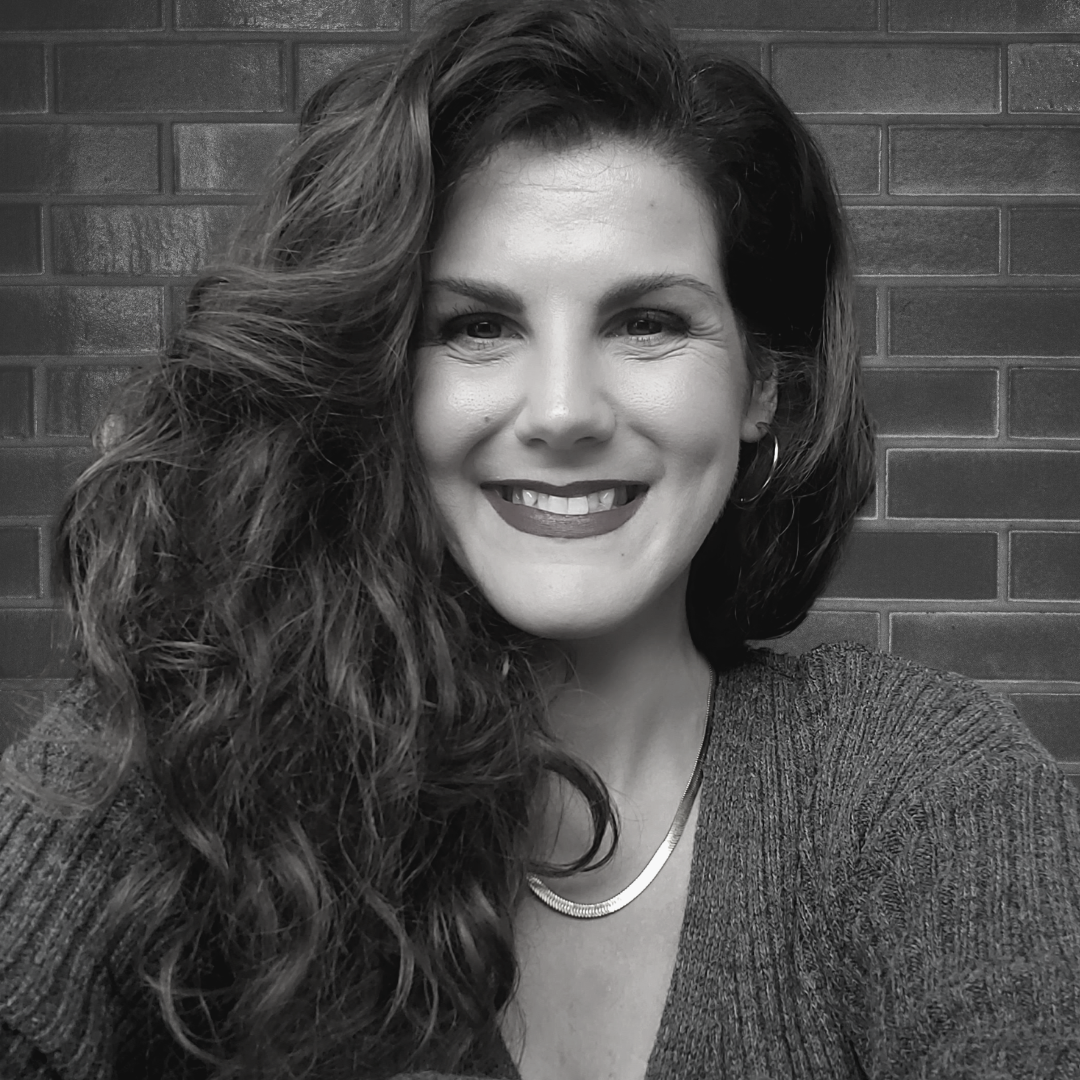
Written by author, transformational teacher, and The Way We Grow creator, Gillian Shields
*Be informed, stay growth-centered: This content is not professional therapy or counselling. It is for awareness, education, insight, and growth-forward options. No article can cover every nuance of every situation, and not every article will be personally relevant to everyone. To get the most out of this content, approach it with curiosity and a growth-oriented intention. Consider how it could be helpful to your situation and how you might apply it—similarly or differently—in a way that supports your own healing and growth.*
People annoy each other in every family.
There are disagreements, misunderstandings, personality clashes, and the struggle to understand each other. But does that automatically mean someone in your family is difficult, unhealthy, or toxic?
The phrase “toxic family” is everywhere—on social media, in self-help books, and in conversations between patients and therapists, clients and coaches, best friends, and strangers on the internet. But what does it really mean?
How can you tell if someone in your family is truly difficult and engaging in toxic behavior—or if you’re overreacting? Why can it be so hard to tell what’s really going on? And what can you do to feel more clear, grounded, and empowered, no matter what?
Let’s get into it.
WHAT DIFFICULT AND TOXIC PEOPLE DO
Difficult people tend to avoid growth, hold rigid points of view, dismiss the needs of people that matter to them, and react negatively to healthy boundaries or authentic individuality.
For example, when you want to move to a city you love, live your own life, say no to what you’re not okay with, or ask for privacy, a difficult person may respond as if you’ve threatened them. Their response might show up as aggression, dismissiveness, guilt-tripping, ignorance, self-pity, or emotional shutdown. Difficult people might also expect others to accommodate their unresolved traumas, emotional pain, or mental health struggles—often by complaining, blaming, or repeatedly talking about how they’ve been wronged—without taking consistent, real steps to heal, grow, or create change in their own lives.
The way they habitually deal with emotional discomforts—and what they perceive as threats to their sense of self and belief systems—damages trust, safety, and connection in relationships.
This can look like:
Criticism
Denial or rewriting facts
Blaming others
Controlling behavior
Emotional manipulation
Avoidance
Chronic defensiveness
Refusal to take responsibility
For someone operating from a difficult or toxic mindset, there is always something or someone else causing the problem. But, like all of us, they are still making their own choices.
Difficult people can have varying levels of these behaviors and responses. Sometimes the pattern is chronic and shows up across multiple life areas and relationships, including family, work, friendships, romantic relationships, and even with strangers. That can cross into “toxic” territory.
Other times, the pattern may be more situational but still consistent—triggered by unresolved trauma, stress, or a deep personal pain point. For example, someone may become especially reactive during family conflict, around issues of control, or when a life circumstance activates their insecurities.
But either way, one thing remains true: when a person is difficult or toxic as a pattern, it’s not really about the other person. It’s about how they deal with their own emotions, beliefs, wounds, and internal world. And when people don’t deal with their side of the street in a healthy way, they can only think and act from the unhealthy place they live in themselves.
THE MISCONCEPTION
One of the biggest misconceptions about difficult or toxic people is that they are always mean, rude, overbearing, or abusive. This misconception can create confusion when you’re trying to figure out whether you’re dealing with someone who is chronically difficult or an emotionally and psychologically unwell person—or simply someone having a bad day or hard season, but who still has self-awareness and a willingness to grow.
Toxic and difficult people can be warm and friendly. They can act lovingly or affectionately, especially when the people and situations around them are the way they want. Or, when they are trying to get their needs and wants met.
For example, a family member could treat you nicely when:
You’re making choices they approve of (career, relationships, etc.)
Your life looks the way they think it “should”
They want money, help, a favor, or access to you
They want to smooth things over after a conflict without actually addressing what happened
They may even act lovingly after doing something hurtful. I’ve seen parents harshly criticize adult children for making a self-honoring choice—only to turn around hours later and offer a hug, a gift, or a shopping trip for an upcoming birthday. And then the cycle repeats.
To the person on the receiving end, these mixed signals can be deeply confusing. It can lead the person to:
Deny what happened
Minimize harmful behavior
Tolerate things that aren’t okay with them
Question their own perception
Struggle to tell the difference between love and control, or care and harm
It can also teach the person causing harm that their behavior is acceptable because there are no real consequences or shifts. And that’s part of why this can be so hard to untangle.
It’s also important to acknowledge that there isn’t always conscious intent to cause harm. In fact, many toxic or difficult people truly do not believe they are being difficult, critical, manipulative, controlling, or damaging relationships. They may not believe their behavior is “that bad” at all. They may even believe they are doing the right things.
Often, what’s driving the behavior is: denial as a self-protection, lack of self-awareness, emotional immaturity, unresolved trauma, long-standing conditioning, or fear of vulnerability or loss of control. However, none of this excuses harmful behavior. But it does help explain why someone can be causing real damage while still seeing themselves as justified, loving, or “just being honest.”
No matter what someone’s intention is, you are not at the mercy of their choices and actions. You are your own individual and you have choices, too.
THE MOST RELEVANT FACTOR
It’s helpful to observe the repeated traits and behaviours of the family member who feels toxic or difficult. Doing that can give you clues about where they are within themselves and help you decide what your next best step might be. But as I’ve come to understand through my own healing journey—and as many psychotherapeutic frameworks suggest—the most relevant factor is often this: What impact is this relationship having on you?
A toxic family dynamic often translates into a noticeable impact on your emotional well-being, self-concept, and life patterns.
You may notice struggles that feel deeply familiar—almost like “just who you are” or things that feel “like you” or that you’ve repeated throughout life—but are actually connected to relationship harm or long-standing conditioning.
For example:
Difficulty making decisions
Low confidence or chronic self-doubt
Trouble accessing peace
Anxiety, depression, or underlying anger
Emotional burnout and exhaustion
Chaotic or unhealthy relationships
Trouble reaching personal goals
Fear of being fully yourself
Over-explaining, over-functioning, or people-pleasing
At the more extreme end, these patterns can contribute to addiction or serious mental health struggles.
But life can change through intentional and personal growth work. I’ve seen it in others. I’ve done it myself.
ARE YOU OVERREACTING?
If you’ve felt deeply angry, hurt, confused, or sad about who your family is being—or about something they’ve said or done—then the question “Am I overreacting?” (and the self-doubt fueling it) has likely crossed your mind. Or maybe someone in your family has suggested or said, that you are overreacting.
So, are you though? It’s actually a worthwhile question to explore and go there with yourself, because the answer can help you grow either way.
One of the clearest ways to tell whether your response to a family member’s actions or words is rooted in facts or fueled by overreaction is to listen closely to your own narrative of the situation.
Ask yourself: How do I describe what happened to myself? How do I describe it to others? What’s my synopsis of the situation? Am I being honest about all of it—including my part, if I have one?
People who overreact often twist the facts in ways that protect their ego or position. They leave out parts of the story that releases them from fault or from holding a role. Sometimes this is consciously intentional. Other times, it’s an unconscious defense mechanism meant to avoid accountability, guilt, shame, and vulnerability.
For example, someone may be outraged that their sibling walked away from a conversation—while leaving out that they were name-calling, belittling, intimidating, or being aggressive in the conversation. They deny it or make their behavior irrelevant. Sometimes people insert events into their story that never actually happened. I’ve seen both these omissions and insertions.
Naming the facts about what really happened—even if it’s only to yourself at first—is not overreacting, even if some toxic people try to make it seem that way. Sometimes it’s your entire family that denies facts just to keep the peace and avoid facing a long-standing issue (avoid what they fear). If this is your family, that’s their choice. You have your own choices too.
And if your path is healing and growth, then truly naming what happened, and what is happening, is the key. Because diminishing, minimizing, and ignoring what you know to be true is not peace. It’s tolerance.
WHAT YOU CAN DO NOW
If you have a strong sense that you’re dealing with difficult or toxic family members, you can accept them for where they are and move forward with growth.
That may look like:
Stronger boundariesaround your time, space, and emotional energy
Being more intentional about what you share
Reducing access where needed
Stopping the habit of trying to get understanding from people committed to misunderstanding you
Shifting from “Why are they like this?” to “What is my healthiest next move?”
It can also look like adopting a transformational mindset—one where you begin to see family not as the force that determines, runs, or ruins your life, but as one of the catalysts for your growth. If you haven’t had clear conversations with them about what is and isn’t okay with you, then you might want to do that.
However, if you already know those conversations only lead to attacks, denial, blame, or emotional chaos, then I personally believe in simply moving forward with your boundaries and choices rather than continuing to seek change through more discussion.
Most importantly, growth happens when you use your power and courage to build a healthy and joyful life of your own—no matter who your family is and how they choose to handle their discomforts.
Whether you think you’ve overreacted or not, a powerful step forward is to take some time with yourself and write out the honest narrative of your situation.
Not the polished version. Not the family-approved version. Not the version that protects everyone else. The honest one.
Then give yourself compassion—whether that compassion is needed because you’re upset about the facts, because you’ve noticed you’ve overreacted, or because both are true at once.
We all want our family to love us well. We all want them to take responsibility for their pain instead of passing it on. We all have the capacity to overreact when we are afraid. We’re scared that we are not enough and not strong enough. We’re scared of being vulnerable and misunderstood. We’re scared of changing and growing. Maybe we think we can’t grow. We’re scared that we won’t be seen or heard and that our experience will be diminished or dismissed.
But here’s the thing: you can survive the temporary discomfort of being honest. And you can survive what you fear honesty might bring. Because on the other side of honesty is freedom.
Gillian’s Books that Can Help You With This Topic: