Signs It’s Love (And When It’s Not)
Family members and romantic partners often use love to explain their feelings and actions—but whether these expressions are truly loving or not is another question. Let’s talk about two signs of healthy love vs. distorted love, and what you can do to grow if a relationship is operating from love distortions.
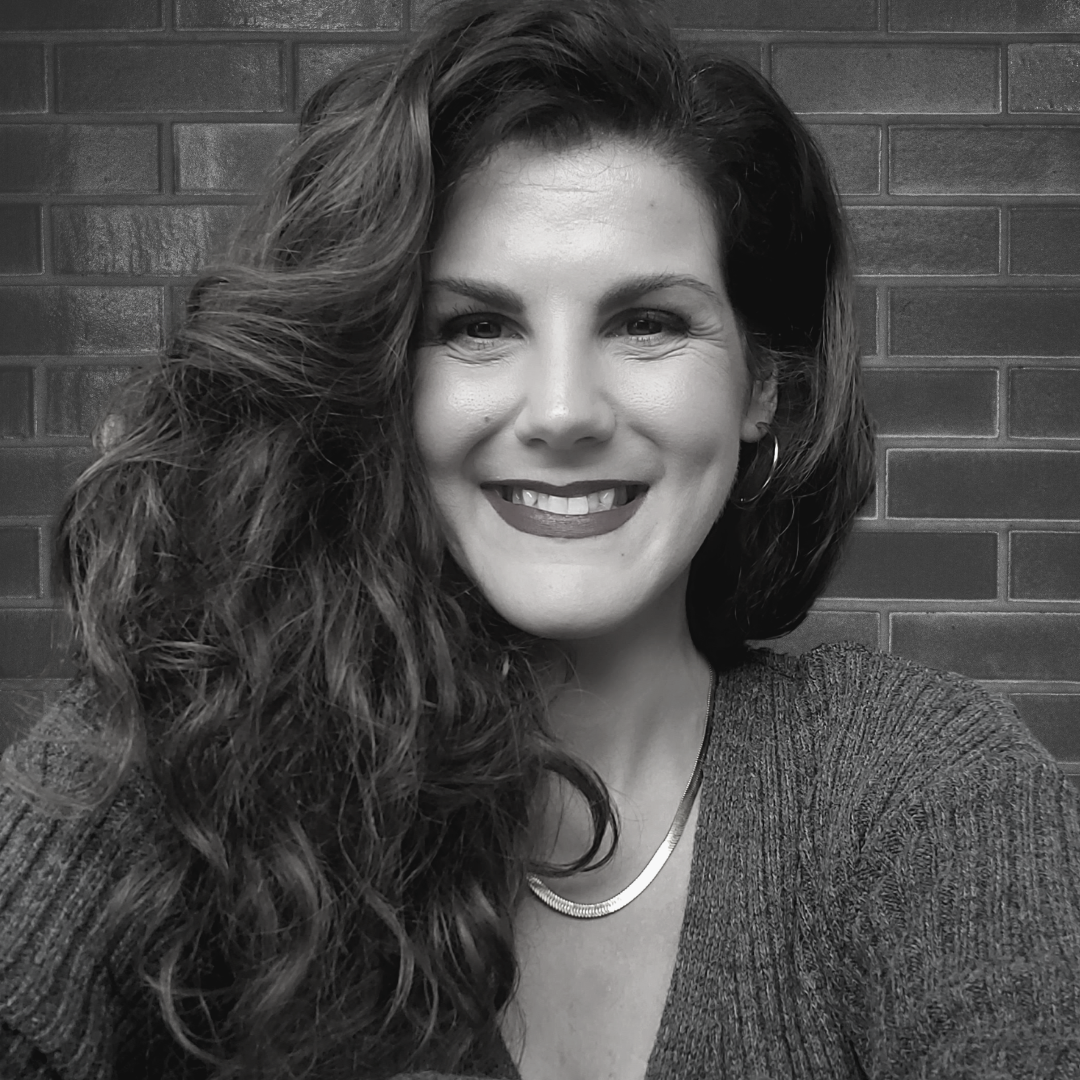
Written by author, transformational teacher, and The Way We Grow creator, Gillian Shields
*Be informed, stay growth-centered: This content is not professional therapy or counselling. It is for awareness, education, insight, and growth-forward options. No article can cover every nuance of every situation, and not every article will be personally relevant to everyone. To get the most out of this content, approach it with curiosity and a growth-oriented intention. Consider how it could be helpful to your situation and how you might apply it—similarly or differently—in a way that supports your own healing and growth.*
Love.
Your family, or a current or past romantic partner, has probably used the word with you. Or they’ve told you that what they do and say is because they care, because they love you. And yet you find yourself feeling confused, hurt, restricted, or unloved—because what they do and say doesn’t actually feel like love.
Sometimes we feel unloved because we don’t yet know how to fully receive healthy love. For example, if someone treats you with respect, care, and thoughtfulness, you may struggle to believe it’s real because deep down, you’ve internalized the belief that you are unworthy of love. This is a powerful topic—and one for another article.
Other times, we feel unloved because the person in the relationship truly doesn’t know how to express—or embody—healthy love. When love is unhealthy or warped, there is often a contradiction between words of love and the actual expression of it. Unloving actions get justified as care. Harm gets framed as protection. Control gets explained as concern.
For example:
A family member says you can’t reach a goal—or that you shouldn’t even try—because they “don’t want you to be hurt or disappointed”.
Your family continually pushes you toward a career they want for you, like becoming a doctor or a lawyer, instead of the career path you really want, because “they want you to be successful and financially secure.”
A family member scolds or guilt-trips you about your choice not to attend a family get together, then later says they love you or act friendly as if nothing happened.
A partner says they love you, but cheats or makes fun of your appearance.
A partner calls you names because you went out with friends, but later says it was only because they love you and don’t want to lose you.
One reason why you may not feel loved, empowered, or truly cared for is because the person “loving” you isn’t operating from the true meaning of love. Instead, they could be operating from a false or distorted idea of love that they learned over time.
HOW WE LEARN ABOUT LOVE
Everyone learns about love through their own history. We learn it through how our family and caregivers treated us, what those people modeled, and how love was reflected in our wider social, cultural, or relational environments.
For example:
When love is given conditionally, then people learn that love itself is conditional. This can help explain why someone can act unlovingly when a person doesn’t meet their expectations—or conditions—without realizing or acknowledging that their behavior is unloving.
When expressions of love like affection exists alongside control or criticism, a distorted idea of love can form. This can help explain why someone believes they can criticize, control, or diminish a person they deeply care about—and still call it love.
When love is modeled as commitment no matter the cost, or as something that can only be found through other people rather than within yourself, distorted ideas of love can take root. This can help explain why people push those they care about to be or stay in relationships that are clearly unhealthy or just not the right fit.
When love is modeled as “saving” others from pain, failure, or discomfort, a distorted idea of love is can emerge. This can help explain why someone acts like they don’t believe in the person they care about. For example, discouraging them from pursuing goals, or enabling self-destructive behavior under the guise of protection.
In essence, everyone is operating from some version of an unconsciously formed idea of love. It’s only when we consciously—and curiously—examine how we think about and express love, and who or what taught us those patterns, that we can begin to see the type of love idea (or framework) we hold.
If you’ve ever felt repeated confusion, doubt, anger, sadness, or unworthiness in response to how a family member or romantic partner “loves” you, please know this:
You can begin healing by exploring whether that person truly knows how to love in a healthy way.
This awareness can free you from feeling that you are you unworthy, unlovable, unfree, too much, too difficult, or can’t be, do or have what you want for your life. Breaking free from other people’s distorted ideals of love can lead you back to loving yourself and having relationships that are healthy and feel-good to be in.
TWO SIGNS THAT IT’S LOVE (AND WHEN IT’S NOT)
As you read through the two signs below, consider whether either one feels familiar in your own family or romantic relationship history. Ask yourself, “If I were to look at the relationship as a story over time—with themes–what themes are present and which ones are repeated?”
Equality
True love sees the other as an equal—on the same level. People have different strengths, preferences, roles, and responsibilities, but no one is inherently above or below the other. There is equal value.
People who don’t know how to love in a healthy way often relate to others through a hierarchical—and even hypocritical—way. They see themselves as knowing better or being better than the other person. Or they believe the other person “owes” them simply because of the role or “title” of the other person. This gives rise to unloving behavior like holding the other person in obligation and expectation. Or holding themselves in entitlement. Or criticizing the other person while denying their own faults. They often cross boundaries or demand freedom they don’t extend in return. Yet, the people in these dynamics often claim what they feel is love.
Examples of inequality:
Parents tell their adult children that they “owe” them their time, compliance, or to pursue a certain career, etc., because they are their parents.
Parents are treated as if they “owe” their adult children money or childcare because they are their parent.
One spouse can have platonic relationships, and the other can’t. One is responsible for raising children and the other isn’t.
Examples of equality:
Parents and adult children support each other when they truly want to, and because there is mutual respect.
Both partners contribute to the relationship and to child raising in ways that reflect fairness, care, and shared responsibility. Both have the right to time alone or with friends.
If you are not treated with the same rights, freedoms, dignity, or respect as the other person, then the relationship lacks equality—and may be operating from a distorted idea of love.
Freedom
People who know how to love allow the other person to be who they are. Individuality is respected. This does not mean that they like every choice the other person makes. It means they do not take steps to control, diminish, or emotionally manipulate the other person, even if they don’t like their choices.
People operating on a distorted idea of love can cross boundaries, give threats, judge, shame, undermine confidence, or imply the other person is incapable when they don’t agree with the other person’s authentic choices. Yet again, they may use the word love in their actions or vocabulary.
Examples of lack of freedom:
Parents who disagree with their adult child’s desired career or love choice and say that if they follow through with it, they won’t speak to them or that they will fail.
A partner who wants alone time, time to do their hobby, or pursue a passion project, is treated like they don’t love their partner, or that their needs and dreams are silly or unimportant.
Examples of freedom:
Parents who disagree with their adult child’s desired career or love choice still recognize them as a free agent of their own life and support them anyway.
A partner accepts that the other person wants their own time, even if at times, that means spending less time together. If values begin to no longer align, the response is an honest discussion, not an attempt to control, guilt, or diminish.
If you don’t feel free to make your own choices about what you’re okay and not okay with, or live by your personal values or goals—because your choices are ignored, attacked, or diminished, then you are not being treated as a free agent of your own life.
And when “love” is used inside that dynamic, it often points to a distorted idea of love.
It’s important to remember that people who hold distorted ideas of love genuinely believe they are being loving even when it means inequality and lack of freedom. They may truly believe that control is care, criticism is protection, obligation is loyalty, possession is devotion, self-sacrifice at any cost is proof of love. So they justify these unloving behaviors as being done “out of love”. This means there isn’t always conscious malicious intent.
However, unloving behavior without malicious intent still does not make it healthy, acceptable, or right for you.
You’re allowed to grow and stand for real love, no matter what someone else calls it.
WHAT YOU CAN DO NOW
If your relationship with a partner or family member seems to be operating through inequality or lack of freedom, begin by getting honest about how it really lands with you. Do you feel less than, obligated? or indebted? Do you feel like you are not free to be your authentic self? Do you feel afraid to make your own choices? Do you feel anxious about saying no—or even saying yes to what you want? If the answer is yes, then you can do something about it:
#1: Educate yourself on healthy love.
Learn what healthy love actually looks and feels like so you can recognize it more clearly. Look to trusted experts. Talk to a therapist or coach. Read books grounded in research, emotional healing, and lived experience around healthy love, boundaries, self-worth and relational healing.
#2: Focus on what healthy love would look and feel like in the relationship.
Bring your attention back to the energy, values, and reality of healthy love. What would it look like in this relationship? What would it feel like in your body? What would be different?
Hold that vision and see what happens. Sometimes this makes the issue clearer. It may reveal that a change is needed. It might make change more inevitable. For example, a falling out, a breakup, stronger boundaries, a redefinition of the relationship, or a conversation that leads to a healthier dynamic or a mutual ending.
I’ve seen all of these outcomes. Sometimes the relationship improves because one or both people become more willing to grow. There may be less judgment, more openness, and more space.
Other times, clarity reveals that the relationship cannot continue in the same form. Both are valuable truths.
#3: Communicate what you feel and need.
If it feels safe and appropriate, tell the other person how the dynamic lands with you. If you feel unequal and unfree, communicate this feeling to them. Communicate what you want and need in the relationship going forward. See how they respond—because it will give you the information you need to make an informed and authentic decision. It will show you whether they can hear your truth and are willing to grow. That information can help you make an informed, self-honoring decision about what comes next.
Gillian’s Books that Can Help You With This Topic: